Mission
While trying to create a step change in the land of customer experience it became clear that our tech could also contribute to the area of mental health and wellness, especially in young people.
The area of mental health is complex and it can take decades to go from research studies to actually being put in to practice. Our approach is to take a realistic look at how we can best colloborate and contribute to the area to make the biggest impact on peoples lives. We're currently very greatful to have three Reading University Psychology students helping research how Limbick's tech can be used in to help in this area.
Mental Health Statistics
- Mental health problems are one of the main causes of the overall disease burden worldwide.
- Mixed anxiety & depression is the most common mental disorder in Britain, with 7.8% of people meeting criteria for diagnosis
- 50% of mental health problems established by age 14
- One adult in six had a common mental disorder
- It is thought that 75 per cent of children and young people experiencing a mental health problem do not access any treatment.
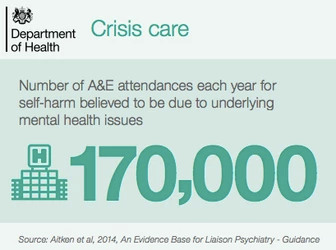
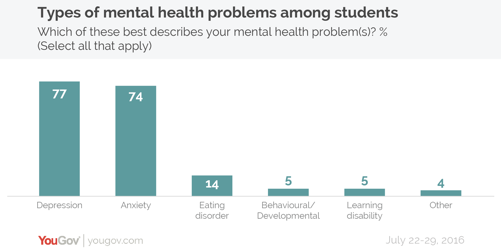
What area are we looking at?
The current problems we're asking ourselves are:
-
How might we improve how children / young people are assessed?
If Limbick software can easily capture how someone feels about something (using self report) without them having to verbalise how they feel, then it opens up the possibility of using the software to help fill in mental health surveys with much greater accuracy without too much help from parents / carers ( SWEMWBs, SDQ, PDQ, SRS, SCAS etc)
- How might we reduce the suffering of children / young adults in the years before they seek help, or if they never seek help?
Not an uncommon diagram showing the amount of time young people go without seeking help. When they do it's often because they've reached breaking point, they then have to wait a period of time to get professional help.
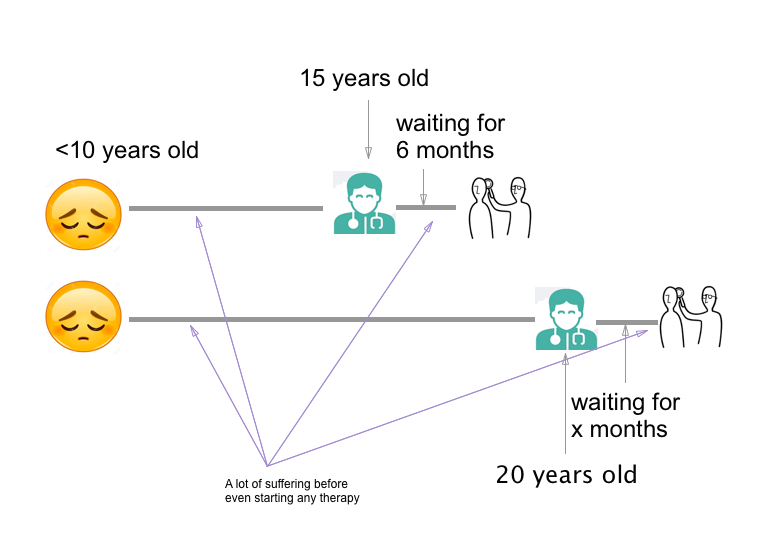
To reach young people who never seek help, it's imagined the solution would be some kind of app / website. To make an impact in this area, the process of creating a solution will involve:
- Co-designing with young people, using innovation processes such as define thinking
- Developed with an understanding of the young peoples needs and how they expect to interact with technology
- Open and collaborative from the start ( public confluence site)
- Involve university researchers, health care professionals, charities and other companies working in this area.
- Open-sourced software allowing developers, artists and designers to contribute from around the world
- Ensure privacy and security is respected
- Peer reviewed evidence to show the solution works
- If any self help techniques are used by the solution they must be evidence based
- Understanding the best way to reach young people to make them aware of the solution
The project may take many years, but the impact of improving young peoples lives could be a turning point in the history of mental health.
If you would like to offer help / advice or just have a chat please drop an email to nick@limbick.com
"Start by doing what's necessary; then do what's possible; and suddenly you are doing the impossible." Francis of Assisi